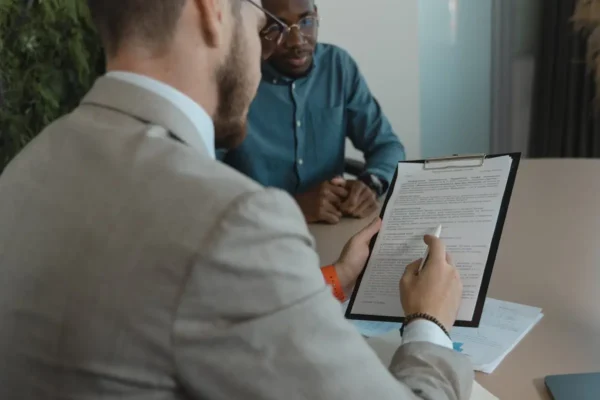
Workplace conflict is unavoidable. Different personalities, goals, and work styles can collide, creating friction between employees or even across teams. But unmanaged conflict is more than just uncomfortable, it can reduce productivity, harm morale, and even drive talent away.
Infact, 49% of workplace conflict happens as a result of personality clashes and egos, 34% due to workplace stress, and 33% due to heavy workloads
That’s why mastering workplace conflict resolution is a critical skill for managers, HR leaders, and employees alike. The good news? With the right conflict management strategies, you can transform disagreements into opportunities for growth, collaboration, and innovation.
In this guide, we’ll walk through 10 proven tips for resolving conflict at work, plus provide a questionnaire to help you understand your employees better and handle disputes with clarity.
Why Workplace Conflict Resolution Matters
Conflict in the workplace doesn’t always look the same. Sometimes it’s a heated argument during a project sprint; other times it’s silent tension simmering between colleagues. Left unresolved, conflict can escalate into:
- Lower productivity: Employees spend time worrying or gossiping instead of focusing on work.
- Declining morale: A toxic environment makes people disengage.
- Increased turnover: Top talent may leave if they feel the workplace is hostile.
- Damaged reputation: Ongoing disputes can impact collaboration, innovation, and even external partnerships.
On the flip side, resolving conflict effectively improves trust, strengthens relationships, and fosters an open culture where diverse ideas thrive.
10 Proven Tips to Manage and Resolve Conflict in the Workplace

1. Address Conflict Early
Conflict rarely disappears on its own. The longer it lingers, the harder it becomes to resolve. Encourage managers and HR to identify issues early—whether it’s recurring miscommunication, performance concerns, or clashing personalities—and intervene before it escalates.
Pro tip: Set up regular check-ins so employees have a safe space to bring up concerns before they spiral.
2. Create a Safe Environment for Dialogue
Employees won’t open up if they fear backlash. When conflict arises, set ground rules: respectful language, no interruptions, and a focus on solutions rather than blame. This creates a safe environment where both parties feel heard.
3. Listen Actively and Empathetically
At the heart of conflict resolution is listening. Practice active listening by:
- Maintaining eye contact
- Avoiding judgment
- Repeating back key points to confirm understanding
When employees feel understood, emotions de-escalate, making way for collaborative problem-solving.
Related: Chatbots for Employee Engagement in Remote and Hybrid Workplaces
4. Identify the Root Cause
Often, workplace conflicts aren’t really about what they seem. A disagreement over a deadline might stem from poor workload distribution or unclear expectations. Instead of focusing on surface-level disputes, dig deeper to uncover the root cause.
5. Focus on Interests, Not Positions
In conflict management, people often take rigid “positions” (“I want Fridays off”). But behind every position lies an “interest” (needing flexibility for childcare). By uncovering the interests driving the positions, you can find solutions that satisfy everyone.
6. Use Neutral Mediation When Needed
Sometimes, conflicts are too heated for employees to resolve alone. HR professionals or managers can step in as neutral mediators. Their role is to guide the conversation, keep it constructive, and help both sides explore solutions without bias.
7. Develop Clear Conflict Resolution Policies
A structured approach ensures fairness. Your HR team should outline:
- How conflicts are reported
- Who facilitates resolution (HR, manager, external mediator)
- Timelines for addressing disputes
- Confidentiality standards
Having clear policies in your employee handbook makes the process transparent and reduces hesitation to come forward.
8. Train Leaders and Teams on Conflict Resolution Skills
Workplace conflict resolution shouldn’t be left to chance. Provide training on communication, emotional intelligence, negotiation, and de-escalation techniques. When leaders are equipped with conflict resolution strategies, they can model and reinforce positive behavior.
9. Document the Process
Always document workplace conflicts, including:
- What the issue was
- Steps taken to resolve it
- Agreements reached
- Any follow-up actions
This protects the organization legally, ensures accountability, and provides useful insights for HR in spotting recurring issues.
Related: 10 Steps to Prepare Your HR Documents for AI
10. Foster a Culture of Feedback and Respect
The best way to handle conflict is to prevent it. Encourage a workplace culture where feedback is continuous, transparent, and respectful. Recognition programs, inclusive policies, and open communication channels help minimize the friction that fuels conflict.
Conflict Resolution Questionnaire for HR to Guide Employees Effectively
Not every employee approaches conflict the same way. Some avoid it altogether, others push hard for their position, and some naturally look for win–win outcomes. As an HR professional, you can uncover these tendencies by asking the right questions and guiding employees toward healthier approaches.
Here are five key questions to ask, along with how to interpret and respond to each:
1. “When you’re in a disagreement at work, what’s your first instinct—do you confront it, avoid it, or look for middle ground?”
- What it reveals: This question helps identify whether an employee tends toward avoiding, competing, compromising, or collaborating.
- How HR can respond: If someone avoids conflict, encourage them to raise issues early. If they compete, guide them toward balancing assertiveness with empathy.
2. “How do you typically respond when a teammate misses a deadline or impacts your work?”
- What it reveals: Whether they default to accommodating (letting it slide), competing (pushing back strongly), or collaborating (seeking solutions together).
- How HR can respond: Show accommodators how to set boundaries, and help competitors practice active listening.
3. “When someone criticizes your work, how do you usually handle it?”
- What it reveals: This uncovers defensiveness, avoidance, or openness to feedback—key traits that influence conflict resolution.
- How HR can respond: Support defensive employees with feedback training, while reinforcing openness as a strength.
4. “If you’re caught between two colleagues in conflict, what role do you naturally take?”
- What it reveals: Whether they stay out of it, take sides, compromise quickly, or step in to mediate.
- How HR can respond: Encourage avoiders to speak up when needed, and train natural mediators with facilitation skills.
5. “What does a ‘good outcome’ in a conflict mean to you?”
- What it reveals: Their definition of success—winning, keeping peace, finding balance, or achieving long-term collaboration.
- How HR can respond: If “winning” is the default, introduce more collaborative strategies. If “peace” is the default, coach them to balance harmony with fairness.
By using these questions in coaching sessions, performance reviews, or training workshops, HR can map out employees’ conflict resolution styles and provide tailored strategies for improvement. This not only helps individuals grow but also strengthens your overall workplace culture.
Related: How Does Employee Self-Service Improve HR Efficiency?
How Winslow Helps with Conflict Resolution
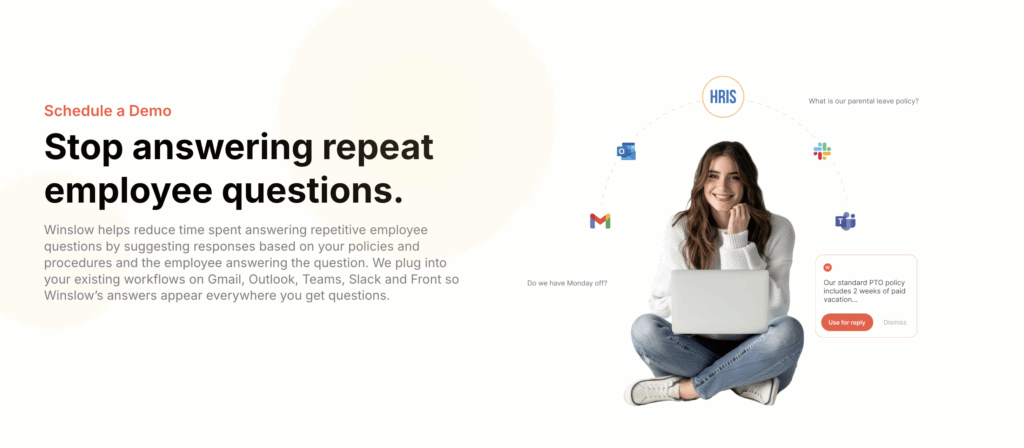
Even with clear policies, HR teams often get stuck in the weeds, fielding repetitive questions about processes, timelines, or next steps. That’s where Winslow steps in.
Winslow acts as your AI copilot for HR, helping you:
- Provide instant answers to employees’ questions about conflict resolution policies, reporting, or mediation steps across Slack, Teams, or email.
- Keep communication consistent and compliant with policy-backed responses.
- Reduce HR’s workload by automating FAQs, so the team can focus on resolving high-stakes disputes.
- Track engagement and common queries to refine policies and training.
With Winslow, your HR team spends less time repeating policy details and more time building a respectful, collaborative workplace culture.
Final Thoughts
Workplace conflict doesn’t have to be destructive. With the right mix of conflict management strategies, proactive leadership, and a clear framework, you can turn disputes into opportunities for stronger collaboration and trust.
FAQs About Workplace Conflict Resolution
What is workplace conflict resolution?
Workplace conflict resolution is the process of addressing disputes between employees or teams in a structured and fair manner, ensuring relationships, productivity, and organizational goals are protected.Why is resolving conflict important?
Resolving conflict improves morale, strengthens trust, prevents turnover, and creates a more collaborative workplace culture.What are common conflict resolution strategies?
Active listening, mediation, focusing on interests over positions, and clear policies are among the most effective strategies.How can managers improve conflict management?
Managers should receive training in communication, mediation, and emotional intelligence, and use standardized processes to address disputes.How does HR support conflict resolution?
HR provides frameworks, policies, and mediation support while ensuring fairness, compliance, and proper documentation.
Resolve Workplace Conflicts Faster with Winslow
Managing conflict doesn’t have to drain HR’s time and energy. With Winslow, your team gets instant, policy-backed answers to employee questions, reducing repetitive queries and freeing HR to focus on meaningful resolution.